
Welcome to
Catholic in Recovery!
With the free version of our mobile app, you can find in-person and virtual meetings, and access free resources like our comprehensive blog and podcast episodes.
To unlock premium features—including the daily checklist, reflections, and access to the community forum—tap CIR+ in the bottom navigation to learn more.
If you already have an account, click login below to access your premium resources.
Blog
Podcast
Newsletter
Novena
Pathway to Recovery
Workbook companion
Video Series
Webinars
Living the Steps
Ebooks
Blog
Podcast
Living the Steps Series
Webinars
Videos
Ebooks
Member Benefits
Concierge Support
Novena
Donate
Mailing Lists
Contact
Submit Feedback
Push Notifications

Thursday of the Twenty-Ninth Week in Ordinary Time
Historical Reflections
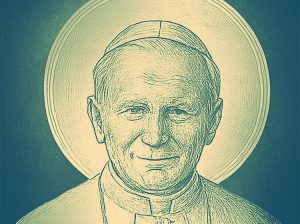
Saint John Paul II, Pope
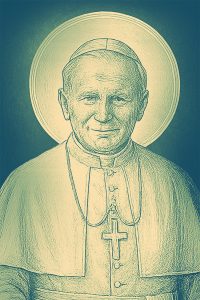 (1920-2005) — Karol Wojtyla, the third child of Polish parents, lost his entire immediate family by age 20. He was interested in acting as a youth and was introduced to Carmelite spirituality as a young man. Karol worked in a quarry during World War II to avoid deportation to Germany and took clandestine classes at the seminary in Krakow. He was ordained a priest, eventually named bishop, then cardinal, and was elected the 264th pope, serving just longer than 26 years. Deeply devoted to Mary, the Rosary, and the Eucharist, he stood up to Communism, taught the “Theology of the Body,” and defended human life and dignity.
Saint John Paul II wrote an Apostolic Letter, Salvifici Doloris, on the meaning of suffering. “Down through the centuries and generations it has been seen that in suffering there is concealed a particular power that draws a person interiorly close to Christ, a special grace.” Where can you see this principle at work in your recovery?
“We are not the sum of our weaknesses and failures, we are the sum of the Father’s love for us and our real capacity to become the image of his Son” (Pope Saint John Paul II, World Youth Day 2002).
Reflection by Brad Farmer
Other Saints
Upgrade to CIR+ for full access to powerful recovery tools:
-
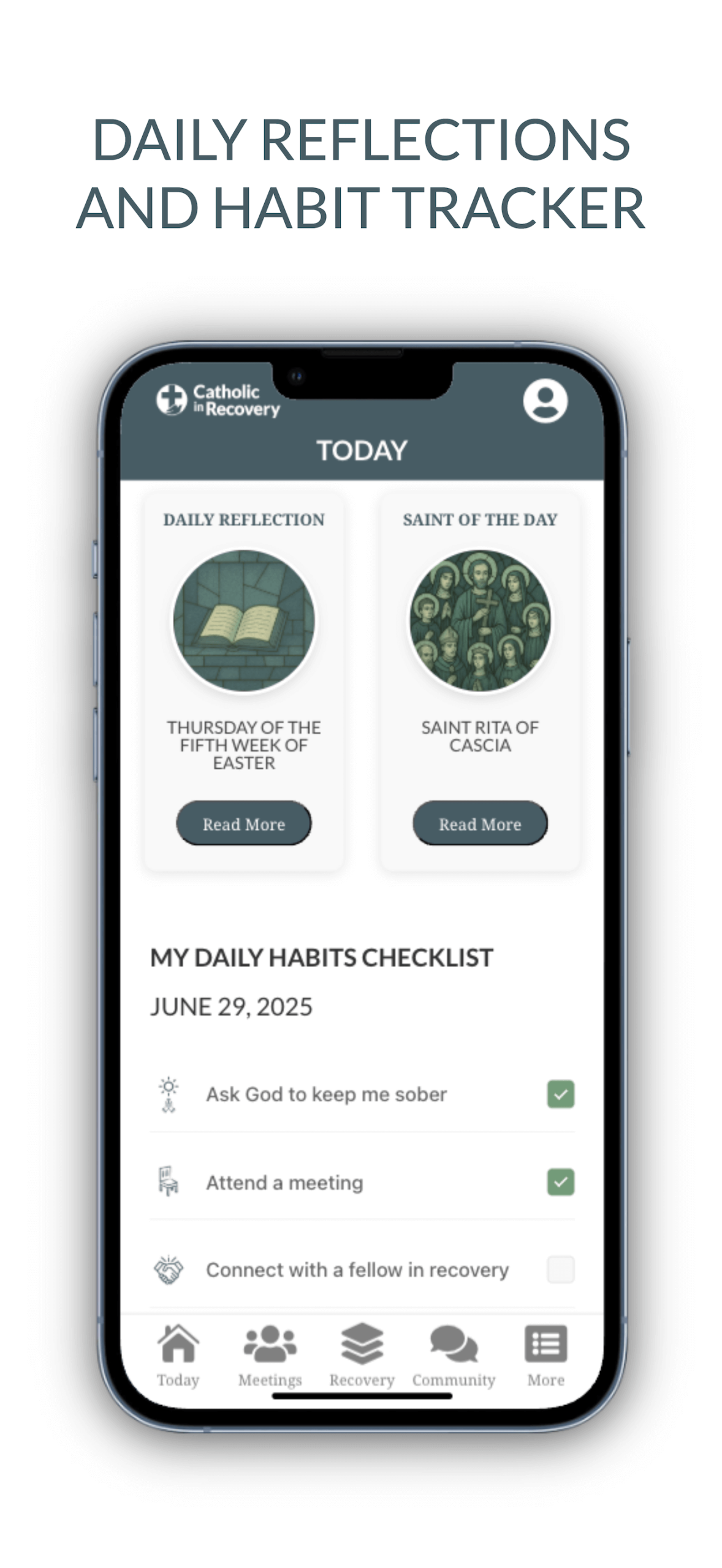
Daily Reflections and Saint of the Day
-
Personal Daily Checklist
-
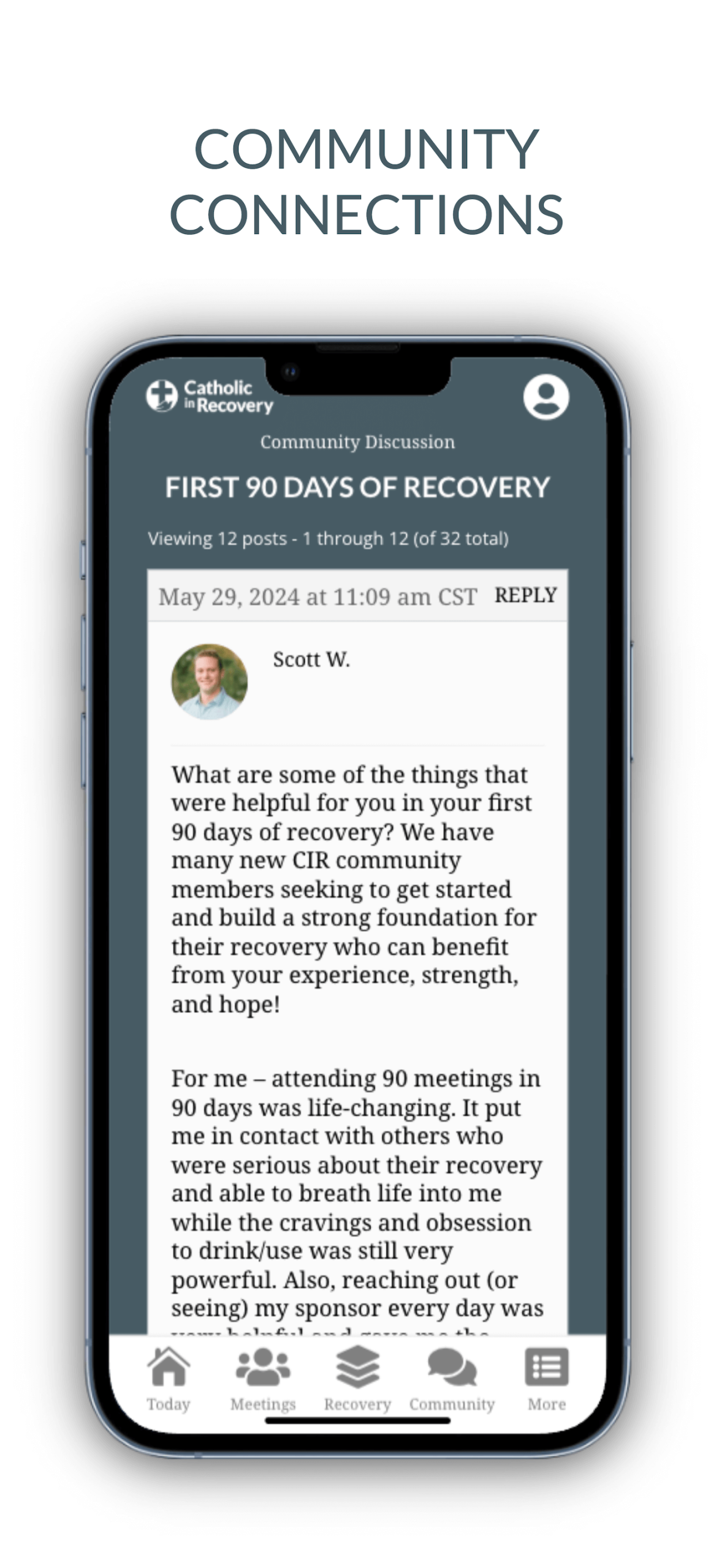
Community Forum
-
Recovery Webinar Library
-
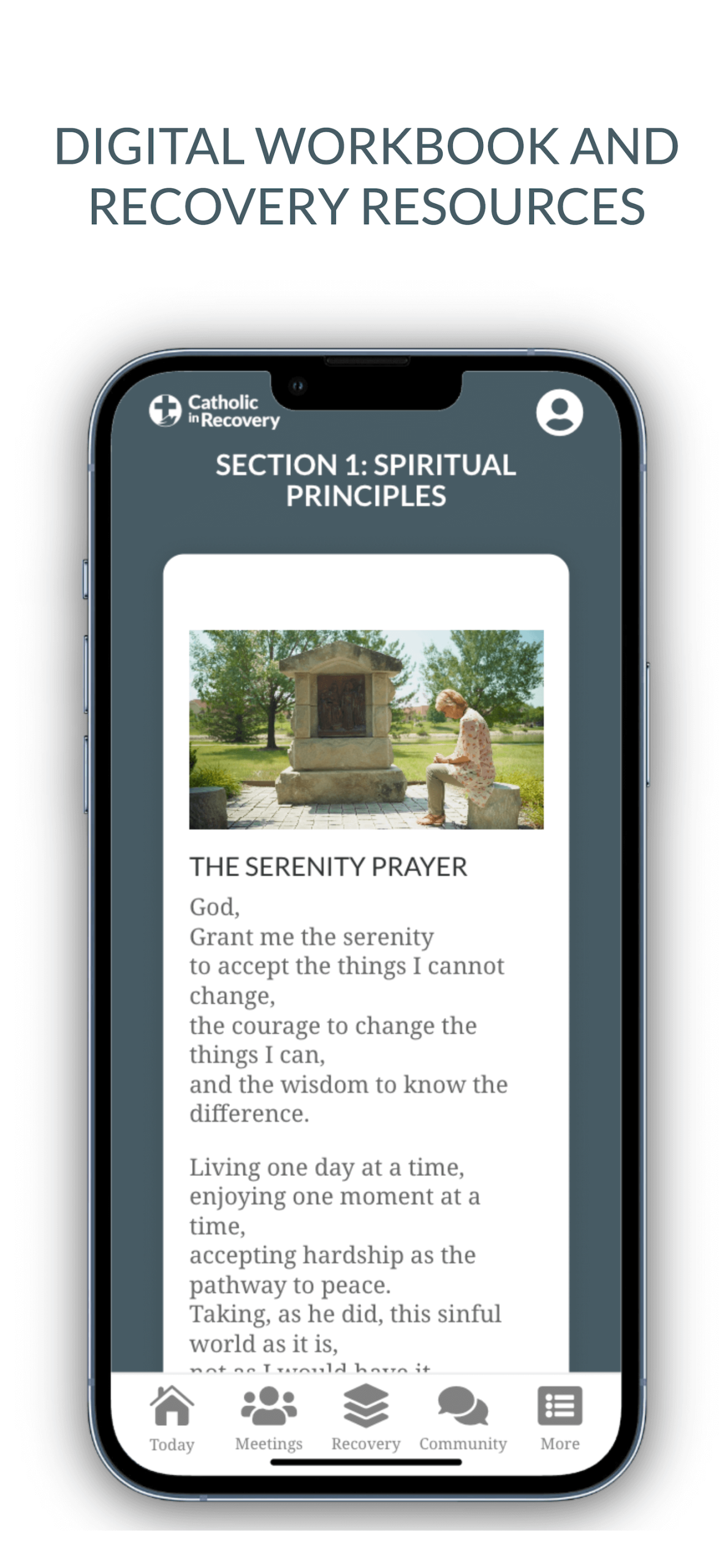
Workbook Companion Videos
-
Email Series and More
Start your premium journey now:
You’ll leave the app and pay on my.catholicinrecovery.com. This purchase is not processed by Apple.