Welcome to
Catholic in Recovery!
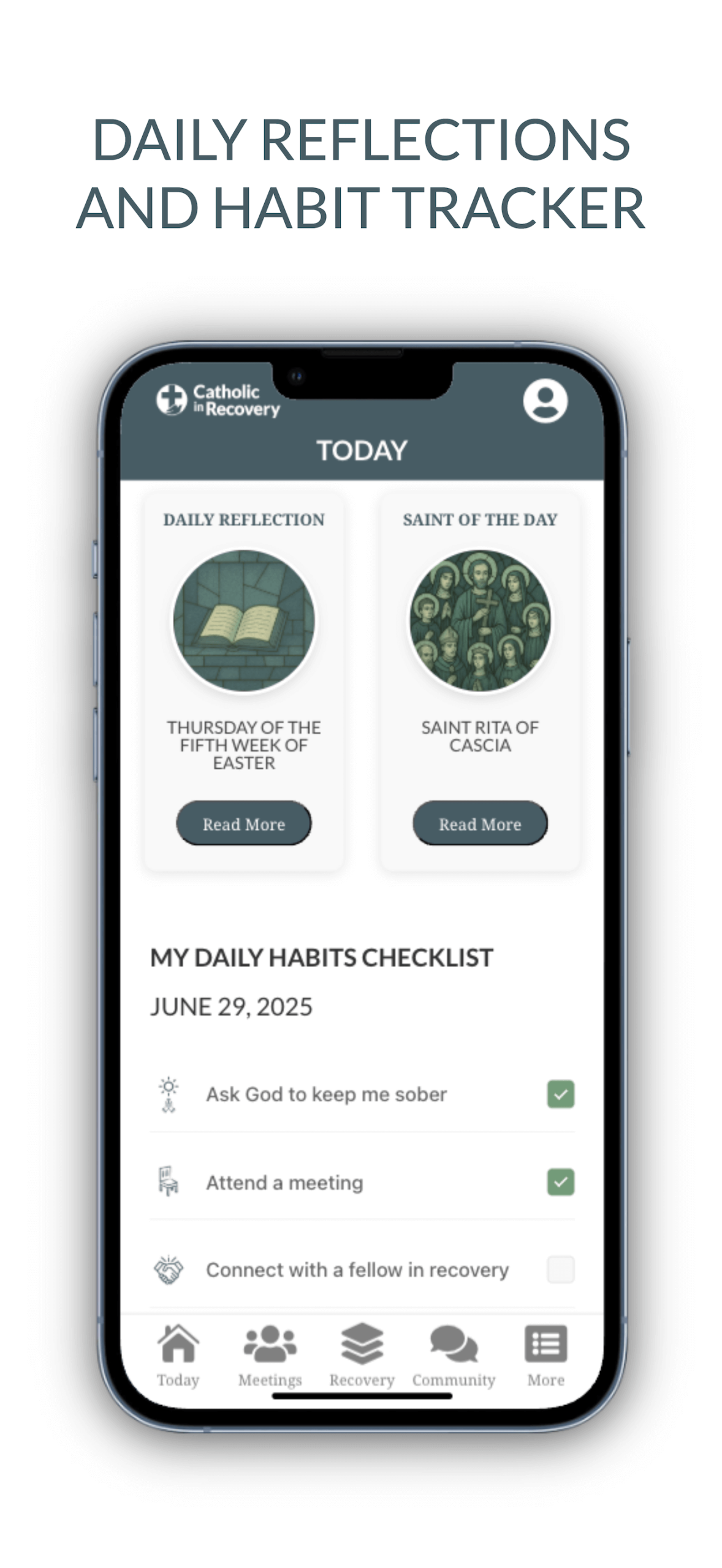
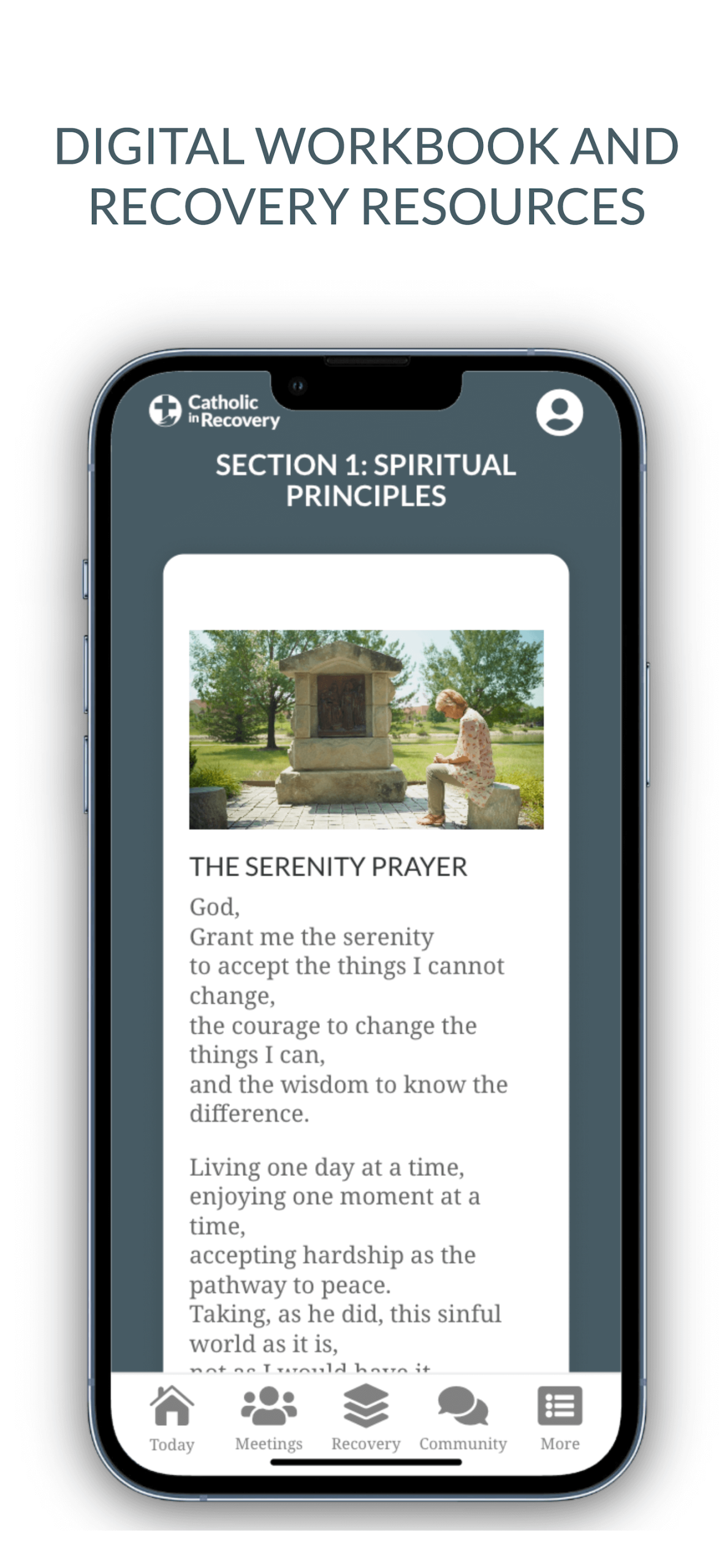
With the free version of our mobile app, you can find in-person and virtual meetings, and access free resources like our comprehensive blog and podcast episodes.
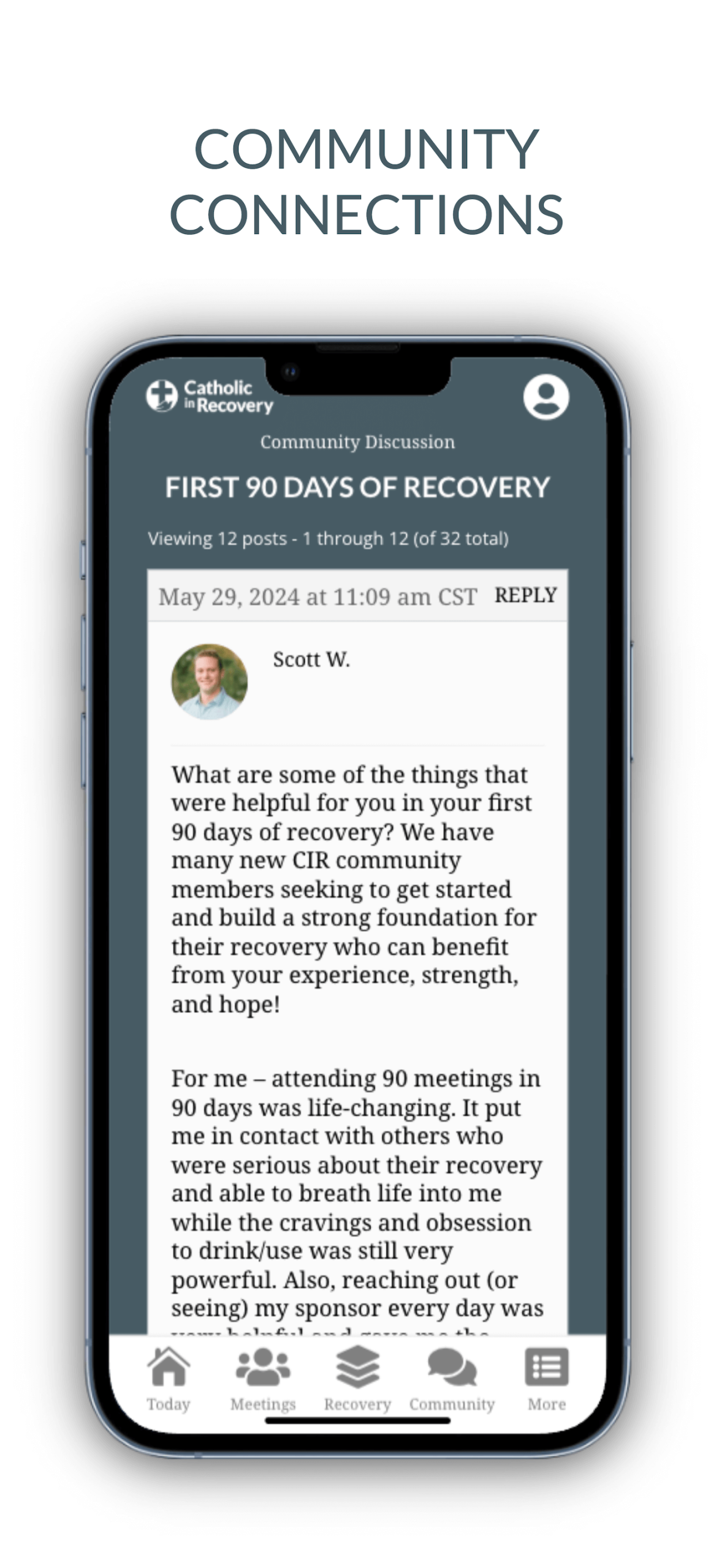
To unlock premium features—including the daily checklist, reflections, and access to the community forum—tap CIR+ in the bottom navigation to learn more.
If you already have an account, click login below to access your premium resources.
Blog
Podcast
Newsletter
Novena
Pathway to Recovery
Workbook companion
Video Series
Webinars
Living the Steps
Ebooks
Blog
Podcast
Living the Steps Series
Webinars
Videos
Ebooks
Member Benefits
Concierge Support
Novena
Donate
Mailing Lists
Contact
Submit Feedback
Push Notifications
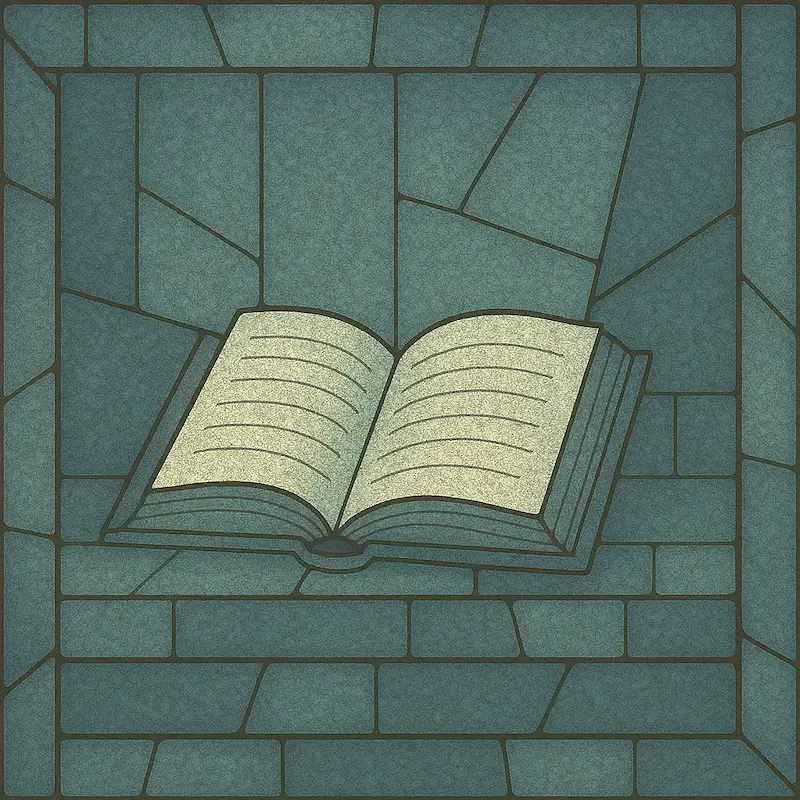
Feast of the Nativity of the Blessed Virgin Mary
Historical Reflections
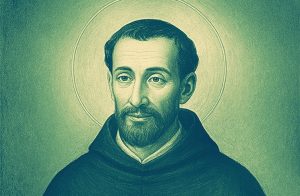
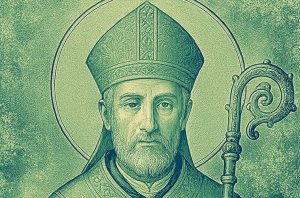
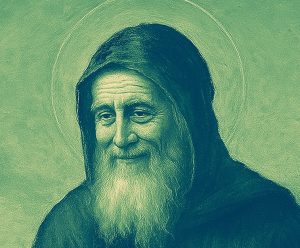
Saint Thomas of Villanova
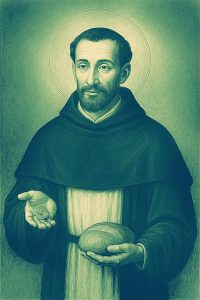 (1488-1555) — The namesake and patron saint of the university in Pennsylvania that Pope Leo XIV attended, the “Father of the Poor” was born in Villanova, Spain, and became a university professor. He eventually joined the Augustinian friars, became a priest, and then a bishop of Valencia. Even with vast resources at his disposal, Thomas continued to live simply and care for the poor. He was reported to have gifts of healing, multiplication of food, and conversion of sinners. Many of his existing sermons were on mystic theology.
Despite Saint Thomas’ acclaim as a gifted preacher, some accounts suggest he suffered from absentmindedness and poor memory. Even the saints have their flaws, but God makes up for them. In Step 7, we surrender our need for control and “humbly ask Him to remove our shortcomings.”
“Let him inquire whether Saint Augustine and Saint John Chrysostom used anathemas and excommunication to stop the drunkenness and blasphemy which were so common among the people under their care” (Saint Thomas of Villanova on being gentle with sinners).
Reflection by Brad Farmer
Other Saints
In-Person Meetings
Join a local Catholic in Recovery group to experience fellowship, prayer, and support rooted in the sacraments. These face-to-face gatherings provide a safe, faith-filled environment for healing and transformation.
Virtual Meetings
Connect with others in recovery from anywhere through our online meetings. Virtual groups offer flexible access to the same Christ-centered support, with daily sessions across multiple programs.
Upgrade to CIR+ for full access to powerful recovery tools:
-
Daily Reflections and Saint of the Day
-
Personal Daily Checklist
-
Community Forum
-
Recovery Webinar Library
-
Workbook Companion Videos
-
Email Series and More
Start your premium journey now:
You’ll leave the app and pay on my.catholicinrecovery.com. This purchase is not processed by Apple.
-
- Topic
- Voices
- Last Post
-
-
PTSD Support Group
Started by:
in: General Discussion
- 4
- 7 months ago
-
Looking for a Sponsor for Compulsive Shopping/Returning
Started by:
in: Sponsorship
- 3
- 7 months ago
-
Looking for a sponsor OKC
Started by:
in: Sponsorship
- 2
- 7 months ago
-
Looking for a sponsor near Toronto
Started by:
in: Getting Started in Recovery
- 2
- 7 months, 1 week ago
-
Feel good thought for today
Started by:
in: Getting Started in Recovery
- 2
- 7 months, 1 week ago
-
Feel good thought for today
Started by:
- 1
- 7 months, 1 week ago
-
Need a female sponsor
Started by:
in: Sponsorship
- 2
- 7 months, 1 week ago
-
Recovery Team Roster
Started by:
in: Getting Started in Recovery
- 2
- 7 months, 1 week ago
-
Looking for a female sponsor
Started by:
in: Twelve Steps
- 3
- 7 months, 1 week ago
-
Shame
Started by:
- 3
- 7 months, 1 week ago
-
Looking for a Sponsor
Started by:
in: Sponsorship
- 2
- 7 months, 2 weeks ago
-
Looking for a sponsor
Started by:
in: Sponsorship
- 3
- 7 months, 3 weeks ago
-
workbook group
Started by:
- 2
- 7 months, 3 weeks ago
-
Recovery Team Roster
Started by:
- 3
- 7 months, 4 weeks ago
-
Looking for a Sponsor
Started by:
in: General Discussion
- 2
- 7 months, 4 weeks ago
-
PTSD Support Group


